

Maxim Praxis is a practice devoted to the understanding and expression of human conduct. Etiquette, protocol, and intercultural communication are the disciplines through which that work is carried out.
These three disciplines are approached not as catalogues of rules, but as ways of understanding how respect is expressed across settings and cultures. Their purpose is not imitation, but understanding how conduct shifts with context, what different traditions ask of us, and how knowledge and thoughtful practice allow us to meet others with composure.
The practice draws on Western and Middle Eastern traditions of hospitality, precedence, and social form, while remaining attentive to the realities of contemporary international life and the codes of different cultures and households. It is for diplomats, corporate leaders, organizations, and families seeking a more assured, considered way of moving through social, professional, and intercultural life.

Maxim
Praxis
Our name is rooted in one of the earliest surviving works of wisdom literature, The Maxims of Ptahhotep: reflections by an Egyptian vizier on the qualities of speech, judgment, and conduct that helped sustain life at court and beyond. Maxim speaks to enduring principles that sustain civil society, Praxis to their considered expression in daily life.
Together, they hold a simple idea: refinement is not declared. It is practiced.
Rooted in tradition and attuned to the present, the practice is concerned with continuity informed by reflective nostalgia.
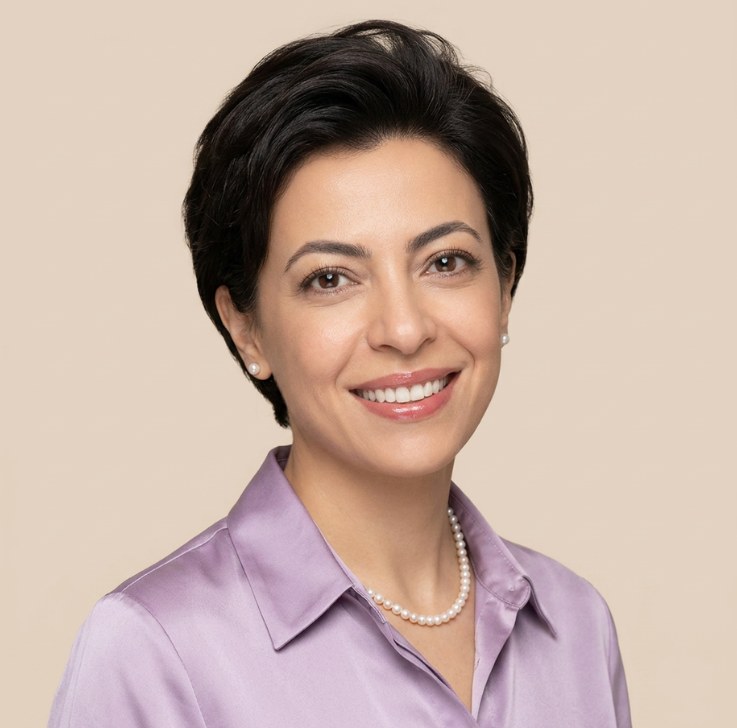
Rabab works in etiquette, protocol, and intercultural communication, with a particular interest in the social knowledge that helps people move through different settings with understanding and assurance.
She begins with a simple conviction: before customs can be learned, they must first be understood. She works across Western and Middle Eastern etiquette, with attention to the forms of presence needed in social, professional, and diplomatic life. Her approach is clear, structured and calm, bringing cultural context and practical guidance to the situations her clients are preparing for.
Her perspective has been shaped by life in Egypt, the United States, and Saudi Arabia, a long connection to India through her husband; and years spent in international academic and institutional environments. She is attentive to the small details through which consideration is expressed: the quality of a welcome, the ease of a conversation, the care taken in hosting, and the judgment required when customs differ.
Alongside her professional work, she has served as treasurer and board member of Fathet Kheir, a small Egyptian microfinance initiative supporting women as they developed small enterprises.
Rabab lives in Thuwal with her husband and young daughter, who provides daily reminders that grace is learned early, and that children notice far more than adults imagine.

In professional life, the smallest moments often reveal the most.
My early career began in systems and process automation at USAID Egypt, before leading me into human resources at The American University in Cairo and, later, KAUST. Over those years, I came to see that professional readiness was communicated through more than qualifications or interview answers. It emerged in a person’s consideration for others, judgment in shared settings, and ability to represent an organization with thoughtfulness and ease.
Friends and family would sometimes come to me before an interview, asking how best to prepare. When the conversation was to take place over a meal, I would explain that it was not necessarily a time-pressed executive fitting an interview into the day. It could also offer a glimpse of how a candidate might represent an organization in future client-facing settings: in the way they treated others, approached the table, sustained conversation, and made those around them feel considered.
For many, this was the moment table manners acquired a larger meaning.
Those questions led me to read more deeply about dining, conversation, and the cultural meanings that shape human conduct. In time, they led me to formal study in etiquette, protocol, and intercultural communication.
My interest in cultural exchange had begun much earlier. At sixteen, I spent a year with an American host family in a quiet, lakeside corner of New York State while attending high school; an experience that taught me to listen, observe, and adapt. Since 2009, my husband and I have lived at KAUST on the Red Sea as founding members of its community. Our life there has been richly multicultural, shaped by different languages, traditions of hospitality, family customs, social rhythms, and ideas of formality.
These experiences came together in Maxim Praxis: a practice grounded in the belief that insight gives us the freedom to respond thoughtfully. My hope is not that people leave having memorized every convention, but that they leave seeing human conduct differently. By understanding the principles beneath a custom, we gain the confidence to adapt with humility and to meet unfamiliar people, places, and traditions with curiosity rather than uncertainty.
That, to me, is the work of Maxim Praxis.
With quiet conviction, I invite you to begin.

Founder, Maxim Praxis
In‑person engagements are arranged by referral or trusted introduction.
Rabab holds an MA in English and Comparative Literature from The American University in Cairo. Her master’s thesis, Cultural Hegemony, Identity and the Challenge of Literature, explored questions that continue to inform her practice: culture, identity, inherited codes, and the ways meaning is shaped and contested within social life.
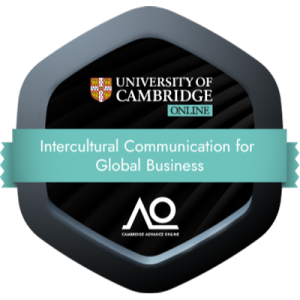
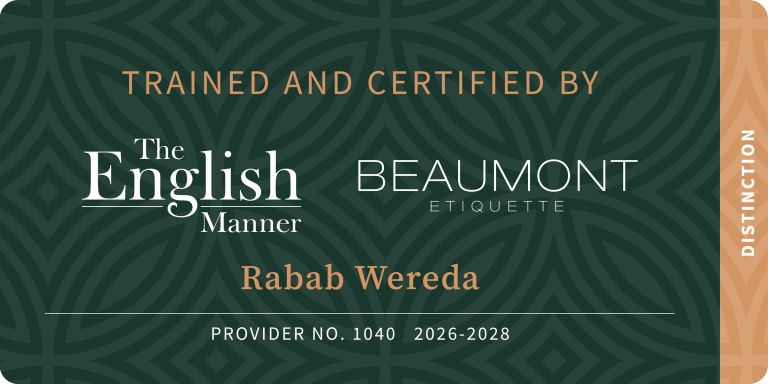
She also undertook further study in culture and communication with the University of Cambridge. Her specialist formation includes programs with The Protocol School of Washington, Institut Villa Pierrefeu, The English Manner, Beaumont Etiquette, and Protocol Bureau.
This website uses only essential cookies and performance cookies set by our hosting provider. It does not use advertising cookies.